
Takis Removing Artificial Colors and TBHQ: What Snack Labels Actually Tell You
Reports that Takis will remove artificial colors and TBHQ are a good reminder to read snack labels with context. Here is what synthetic dyes, TBHQ, and reformulation news actually mean when you shop.

Grocery Savvy Team
The Grocery Savvy team shares practical grocery shopping tips and insights to help everyday food decisions feel clearer and easier.
Published July 2, 2026 • 6 min read
When a snack brand changes its ingredients, people notice.
That is especially true when the brand is something as recognizable as Takis.
Recent reports say Takis plans to remove artificial colors and the preservative TBHQ from its products. If you buy Takis often, avoid them completely, or mostly know them as the bright bag your kid keeps asking for, the news raises a fair question:
What does that actually mean when you are standing in the snack aisle?
The answer is not to panic about every colorful snack. It is also not to assume a reformulated snack is automatically a better choice.
The better answer is more practical: read the ingredient list, then read the rest of the label.
What Artificial Colors Mean on a Snack Label
Artificial colors are added to food for appearance. They can make a snack look brighter, more consistent, or more recognizable from one bag to the next.
On U.S. labels, synthetic color additives often show up with names like:
- FD&C Red No. 40
- Red 40
- FD&C Yellow No. 5
- Yellow 5
- FD&C Yellow No. 6
- Blue 1
The FDA explains how color additives are regulated, including the difference between certified color additives and colors that are exempt from certification. If you want the label-level version, our glossary entries for Red 40 and Yellow 5 explain how those names usually appear on ingredient lists.
The shopper takeaway is straightforward: colors are there for appearance, not nutrition.
That single detail does not define the whole food. It just tells you what role that ingredient is playing, which is the kind of context that makes a label easier to understand.
Why Food Companies Are Talking About Synthetic Dyes
Artificial colors have been getting more attention from regulators, food companies, parents, and shoppers. That is part of why this kind of snack news travels quickly.
In 2025, U.S. health officials announced plans to push food manufacturers toward phasing out several petroleum-based synthetic dyes from the food supply. The Associated Press reported that the FDA was seeking voluntary industry cooperation rather than an immediate formal ban for every dye involved.
That distinction matters.
When you see headlines about dyes being "removed" or "phased out," the reason may be a company decision, a regulatory timeline, a state-level rule, or part of a broader industry shift. The details can vary.
For shoppers, the useful move is not memorizing every headline. It is checking the current package.
Ingredient lists are the part you can use in the aisle.
What TBHQ Is
TBHQ stands for tertiary butylhydroquinone.
It is used as an antioxidant preservative, especially around oils and fats. In plain language, it helps slow oxidation, which can help protect flavor, freshness, and shelf stability.
The federal regulation for TBHQ in food allows it under specific conditions, including limits tied to the oil or fat content of the food.
So when you see TBHQ on a label, it is usually not there for flavor, protein, fiber, vitamins, or color. It is there to help preserve the product.
That context can still matter. If you prefer snacks without certain preservatives, TBHQ is a term to look for in the ingredient list.
Reformulated Does Not Automatically Mean Nutritious
This is where snack label headlines can get a little slippery.
If a product removes artificial colors, that may be a change you personally care about. But the snack can still be high in sodium, low in fiber, calorie-dense, or built around refined ingredients.
You may still decide it fits your cart.
It means "no artificial colors" should not do all the thinking for you.
When comparing snack foods, check:
- serving size
- sodium
- saturated fat
- added sugars
- fiber
- protein
- ingredient list
- whether the product still fits how you actually eat
This is the same reason Grocery Savvy does not treat one ingredient or one claim as the whole story. Labels are more useful when the pieces are read together.
For a broader version of that idea, read Why Grocery Savvy Does Not Score Foods.
How to Compare Colorful Snacks Without Overthinking It
If you are comparing snacks in the store, use a simple order.
Start with the serving size. Snack bags can make portions look smaller or larger than they feel in real life.
Then scan the ingredient list for the things you personally care about. That might include synthetic colors, TBHQ, certain sweeteners, allergens, or ingredients you prefer to limit.
After that, check sodium. Salty snacks can vary a lot, even when they look similar.
Then compare similar products. A spicy rolled tortilla chip should be compared with another similar snack, not with plain oats or fresh produce. That keeps the decision realistic instead of turning every snack comparison into a perfect-food contest.
Finally, decide based on your goals. Some shoppers care most about artificial colors. Some care most about sodium. Some care most about allergens, budget, convenience, or whether the food will actually get eaten.
That is normal.
What This Means for Grocery Savvy Shoppers
The Takis news is not just about one snack. It is a good example of why ingredient transparency matters.
When a product changes from synthetic colors to other color sources, or removes a preservative like TBHQ, the front of the package may eventually advertise that change. The ingredient list is still where the details live.
Grocery Savvy is built around that idea: help you scan, read, and compare food information without turning every grocery decision into a research project.
If you want to get better at this, start with the ingredient list and Nutrition Facts label. You do not have to understand every ingredient perfectly on the spot. You just need to know what to check next.
For a practical walkthrough, read How to Read Nutrition Labels Like a Pro or How to Use Barcode Scanning to Make Faster Grocery Decisions.
Bottom Line
If Takis removes artificial colors and TBHQ, that is a notable reformulation for a highly recognizable snack brand.
But the bigger lesson is more useful than the headline itself.
Artificial colors usually affect appearance. TBHQ is used for preservation. Removing either one can matter to shoppers, but it does not replace reading the rest of the label.
The clearest grocery decision comes from context: what is in the food, why it is there, how the nutrition label looks, and how the product fits your goals.
Keep Reading
Related Articles
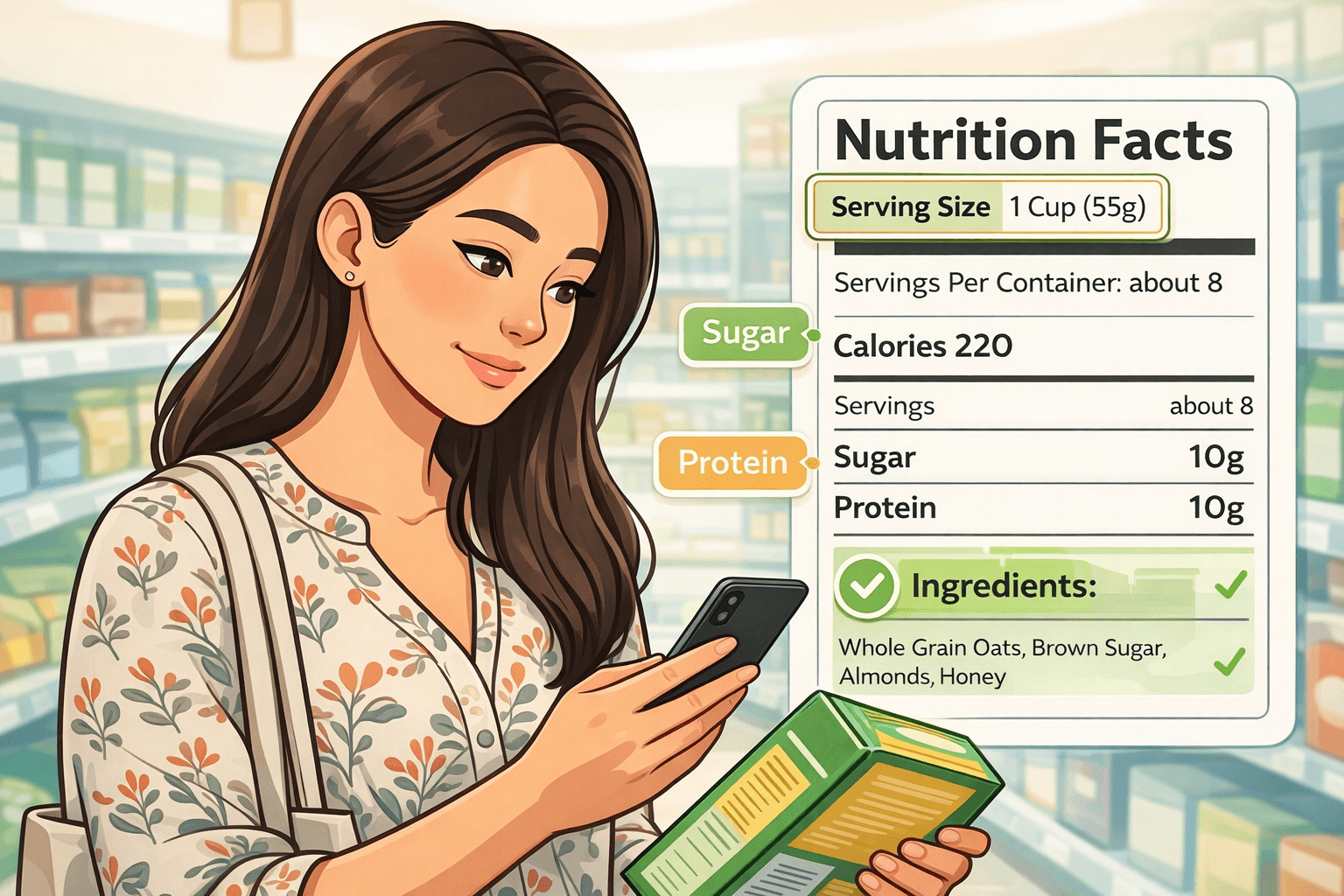
How to Read Nutrition Labels Like a Pro (Even If You Are a Beginner)
Nutrition labels can feel like a wall of numbers when you are new to them. This guide breaks down the parts that matter most so grocery decisions feel more practical.
Read article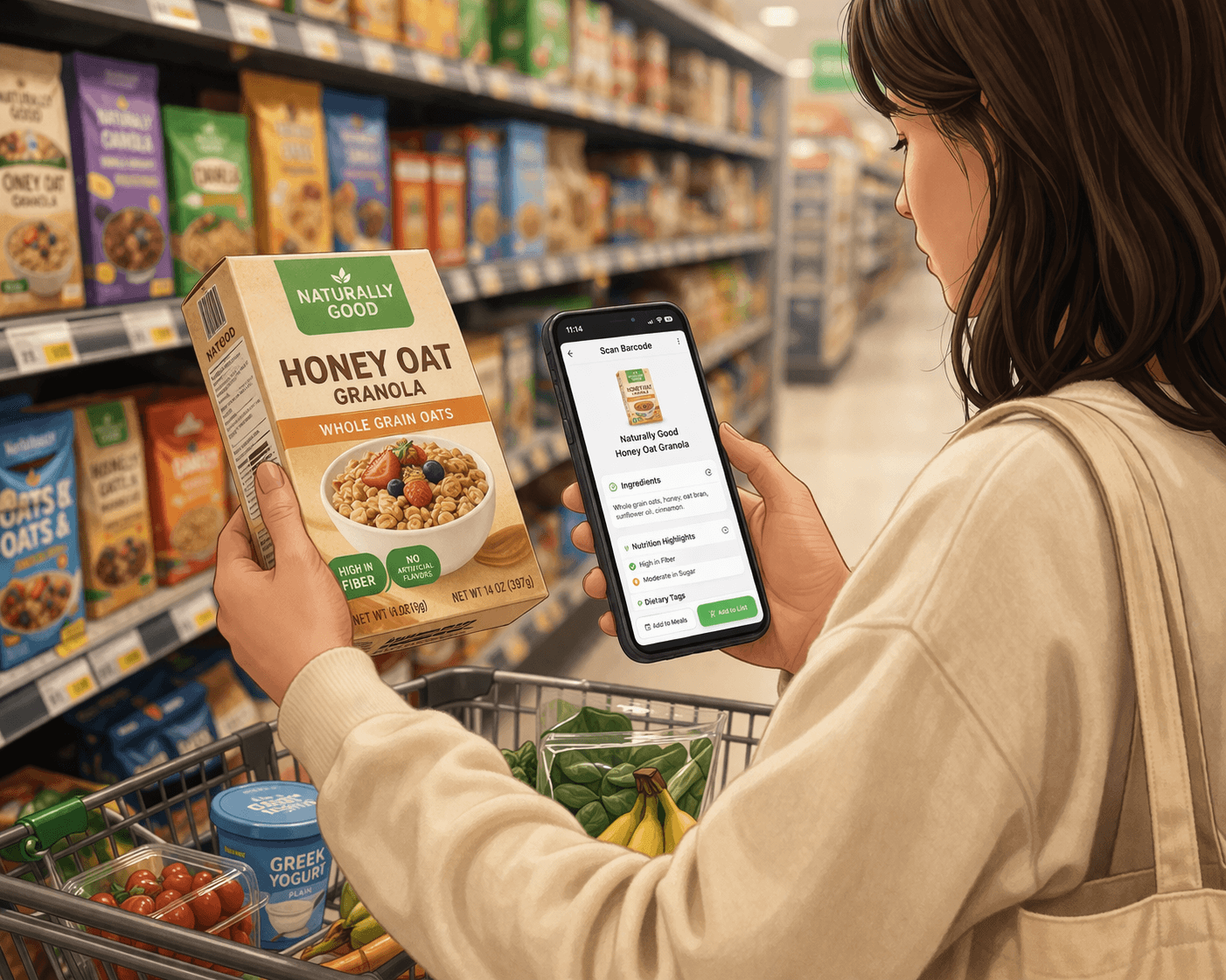
How to Use Barcode Scanning to Make Faster Grocery Decisions
Barcode scanning can turn a slow label-reading moment into a quick check-and-decide workflow. It is one of the easiest ways to make grocery decisions faster without guessing as much.
Read article