How to Read Nutrition Labels Like a Pro (Even If You Are a Beginner)
Nutrition labels can feel like a wall of numbers when you are new to them. This guide breaks down the parts that matter most so grocery decisions feel more practical.
Grocery Savvy Team
The Grocery Savvy team shares practical grocery shopping tips and insights to help everyday food decisions feel clearer and easier.
Published February 28, 2025 • 3 min read
Nutrition labels can feel overwhelming when you are trying to make better grocery decisions. There are numbers, percentages, serving sizes, ingredients, and front-of-package claims all competing for your attention.
The good news is that you do not need to understand every line equally well.
If you can learn what to check first and how to compare similar foods, labels become much more useful.
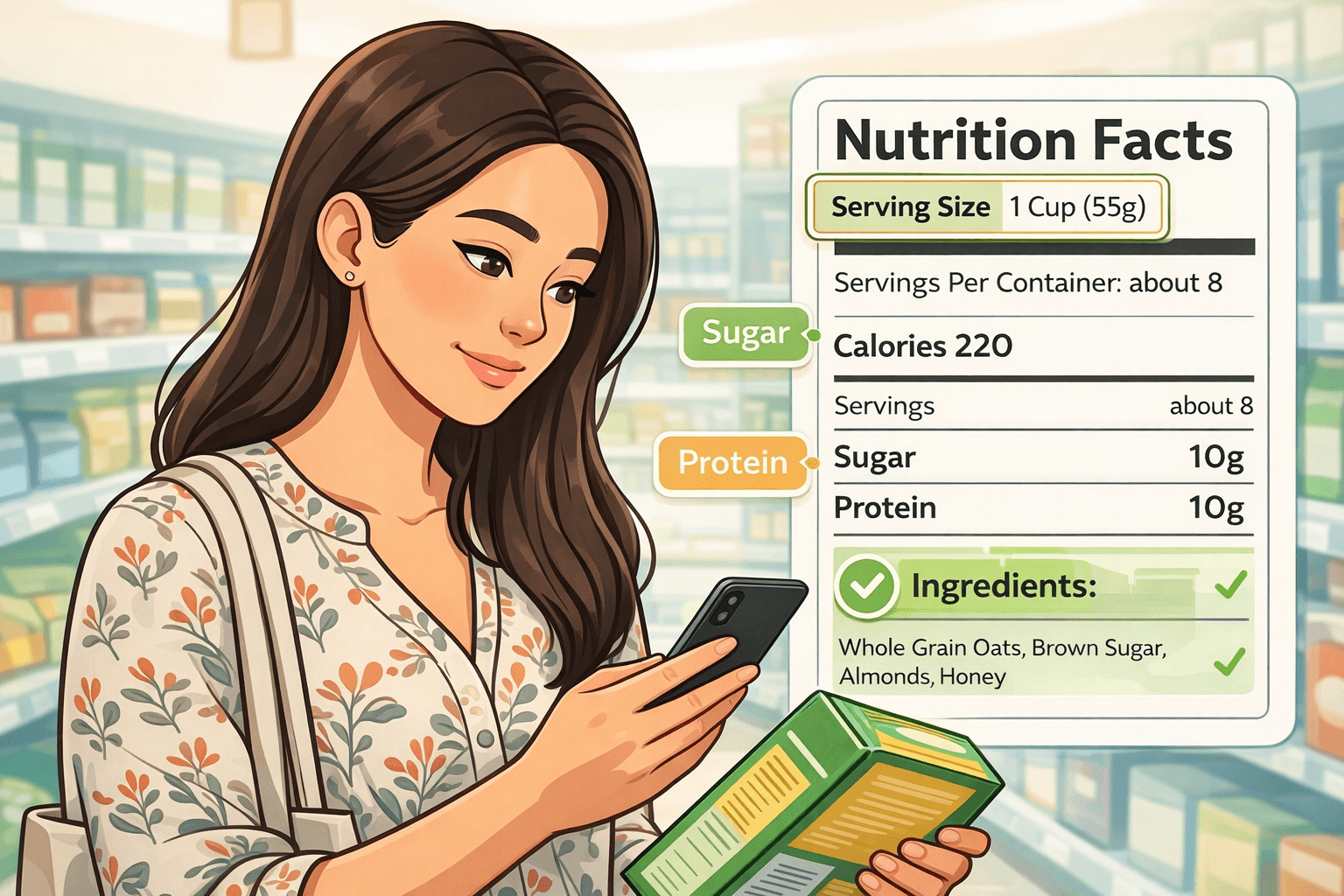
Start With Serving Size
The first thing to check is serving size.
All of the numbers on the label are based on that amount, not necessarily the whole package. That is one reason labels can be misleading when two products use different serving sizes.
If this is one of the main places labels start to break down for you, Serving Size vs 100g is worth reading next.
Check What Matters for Your Goals
After serving size, the most useful numbers usually depend on what you care about.
That might be:
- sodium
- saturated fat
- sugar
- protein
- fiber
There is no single perfect label checklist for everyone. The practical goal is knowing which numbers matter most to you before you start comparing products.
Use the Ingredient List for Context
The ingredient list usually tells you more than people realize.
A few quick things help:
- ingredients are listed in order by amount
- the first few ingredients usually matter most
- shorter and more familiar ingredient lists can be easier to interpret
The label gives you data. The ingredient list gives you context.
For the fuller version of that idea, How to Read Food Labels (Without Overthinking It) goes much deeper.
Do Not Let Front-of-Package Claims Do All the Thinking
Words like:
- natural
- low fat
- high protein
- heart healthy
can be helpful signals, but they are not the whole story.
A product can sound impressive on the front and still look very different once you check the label and ingredient list.
Compare Similar Products, Not Random Ones
You do not need to inspect every food in the store.
Label reading is most useful when you are deciding between two similar products, like:
- two yogurts
- two sauces
- two cereals
- two frozen meals
That is where small differences in sodium, sugar, fiber, or ingredients become much easier to use.
Grocery Savvy Makes the Comparison Faster
The hard part is not understanding one label at home. The hard part is remembering what matters when you are shopping quickly.
Grocery Savvy is designed to reduce that friction by helping you view product details, ingredients, and dietary tags in a way that feels faster and more practical in the aisle.
It does not replace the package. It helps make the information on the package easier to use.
Final Takeaway
You do not need to read nutrition labels perfectly to get better at them.
Usually, the biggest improvements come from a few simple habits:
- check serving size
- compare similar products
- use the ingredient list for context
- focus on the numbers that matter most to you
That is enough to make labels feel a lot less intimidating over time.
Keep Reading
Related Articles
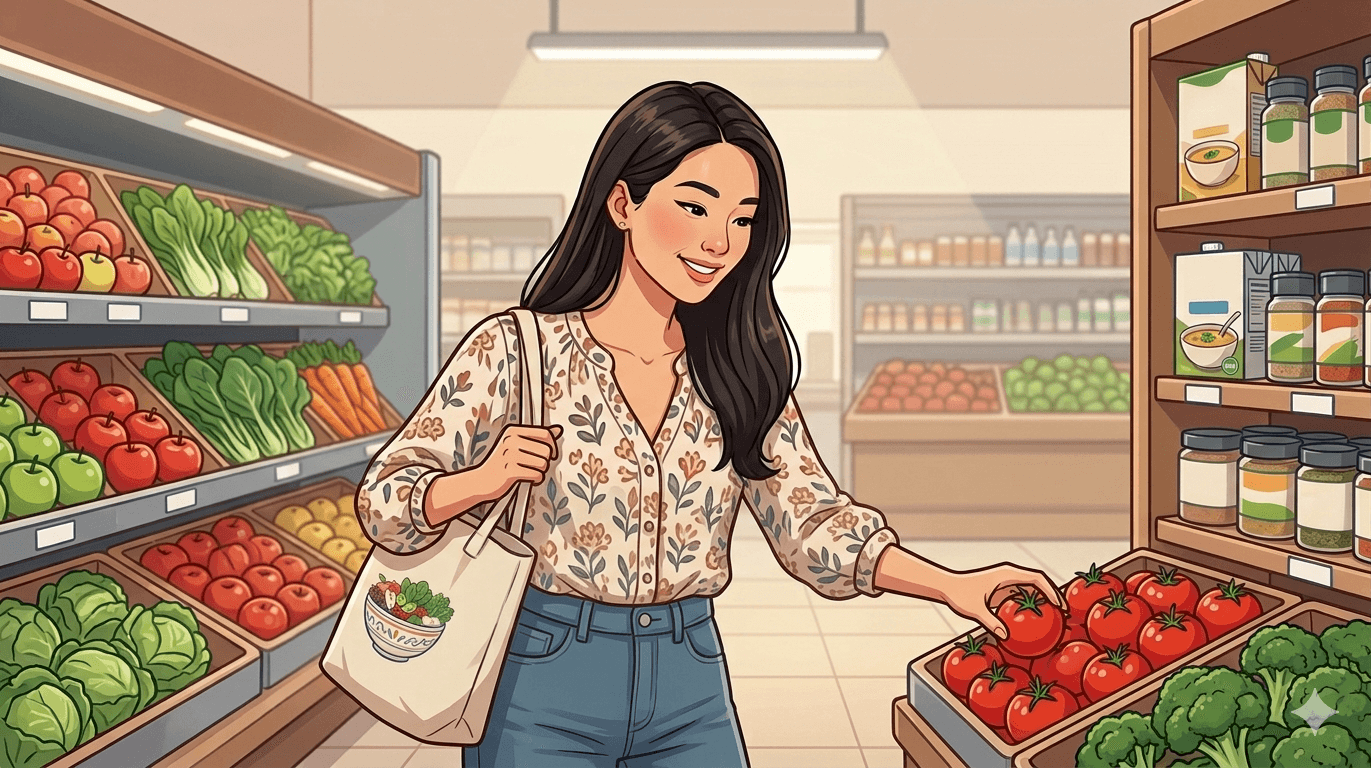
Low-Sodium Shopping, Made Simple: How to Find Better Options Without Overthinking It
Lower-sodium shopping gets easier when you know where sodium tends to hide, what labels actually mean, and when a quick comparison is enough.
Read article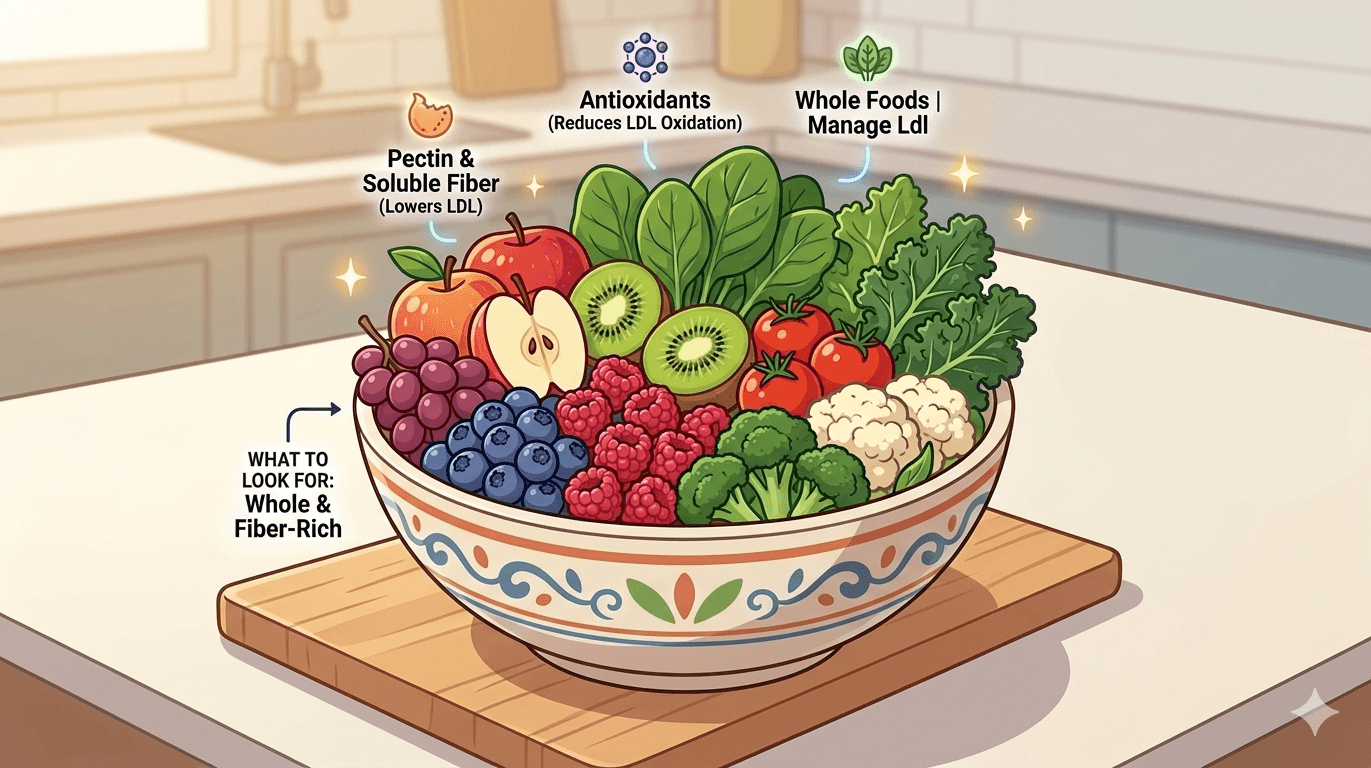
Low-Cholesterol Foods, Explained: What to Look For at the Grocery Store
Cholesterol on a food label can be hard to interpret in the aisle. This guide explains where cholesterol tends to show up, what low-cholesterol means, and how to shop with more clarity.
Read article