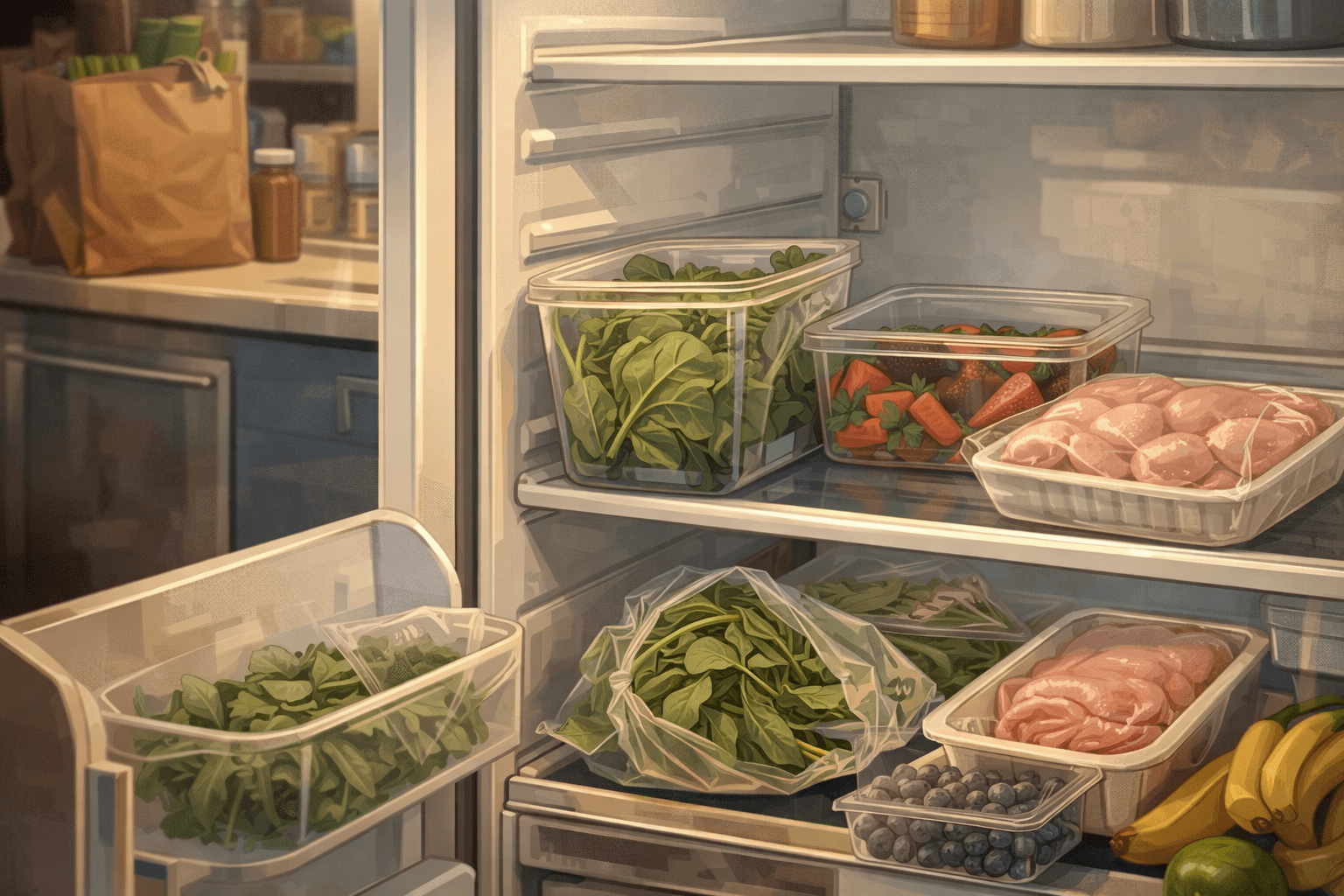
Why “Healthy” Grocery Hauls Still Lead to Food Waste
A cart full of good intentions does not always turn into meals you actually eat. Food waste usually happens when shelf life, meal plans, and shopping habits stop lining up with real life.

Grocery Savvy Team
The Grocery Savvy team shares practical grocery shopping tips and insights to help everyday food decisions feel clearer and easier.
Published March 30, 2026 • 5 min read
It is possible to come home with a cart full of “healthy” groceries and still end up throwing half of them away.
That usually is not about laziness or bad intentions.
It is more often a mismatch between:
- what looked good in the store
- what your week actually allows
- how quickly those foods need to be used
That is why food waste can happen even when the groceries themselves look like smart choices.
Good Intentions Are Not the Same as a Usable Plan
A lot of healthy grocery hauls start with good intentions:
- more fresh produce
- better snacks
- ingredients for a few meals
- maybe a new recipe or two
The problem is that good intentions do not automatically turn into a plan.
If the cart is not connected to real meals, real timing, and real energy levels, the food can still sit there untouched until it goes bad.
This is one reason a stronger list matters. How to Make a Grocery List That Actually Helps You Eat Better goes deeper on how to build a list around foods you will actually use.
Fresh Foods Usually Have the Least Margin for Error
Healthy grocery hauls often lean heavily on foods that do not last very long:
- berries
- greens
- herbs
- cut vegetables
- fresh proteins
These foods can be great choices, but they also leave less room for delay.
If your week gets busier than expected, those are often the first foods to slip past their best window.
That does not mean you should avoid them. It just means they need a clearer role in your week.
Shopping for an Ideal Week Instead of a Real One
This is one of the biggest reasons healthy groceries go to waste.
People shop for the version of themselves that will:
- cook every night
- prep lunches in advance
- use every fresh ingredient on schedule
Then real life happens.
Work runs late. Energy drops. Plans change. Takeout happens. Leftovers pile up.
When that happens, the groceries were not “wrong.” They were just built for a different week than the one you actually had.
The List Structure Matters More Than People Think
A vague list makes waste more likely.
If your list says:
- vegetables
- snacks
- chicken
- fruit
that may be enough to fill a cart, but not enough to guide how the food gets used.
A stronger list gives those foods context:
- what meals they belong to
- how soon they need to be used
- whether they overlap with other ingredients
That is also why Grocery Lists can be so helpful. A list works better when it keeps your shopping tied to your actual week instead of a loose idea of eating better.
Shelf Life Changes the Whole Equation
Some foods give you flexibility. Others need a decision quickly.
That matters more than people realize.
For example:
- frozen vegetables can wait
- dry grains can wait
- canned beans can wait
- spring mix usually cannot
When too much of the haul depends on immediate follow-through, waste becomes much more likely.
One of the easiest ways to reduce that pressure is to mix shorter-life foods with more flexible ones so the whole week does not depend on perfect timing.
“Healthy” Is Not Always the Most Practical Choice in That Moment
Sometimes the most useful grocery decision is not the most aspirational one.
It might be:
- frozen produce instead of fresh
- a shorter ingredient list instead of a full recipe haul
- repeat meals instead of a highly varied week
That does not make the choice less healthy or less thoughtful. It just means it fits your real routine better.
This is also where seasonal produce can help. When produce is in season, it is often easier to find options that are more affordable, fresher, and more likely to get used well.
Meal Friction Is Usually the Hidden Problem
Many groceries go to waste because the meal they belong to has too much friction.
Maybe it requires:
- too many prep steps
- too many other ingredients
- more time than you have that week
Even good ingredients get ignored when the meal itself feels harder than the day allows.
That is one reason Meal Planning matters. The easier it is to connect ingredients to a meal you can realistically make, the less likely those groceries are to go to waste.
How Grocery Savvy Helps Reduce the Guesswork
Food waste often starts long before anything expires.
It starts when shopping decisions are disconnected from:
- meals
- timing
- list structure
- what you already have
Grocery Savvy is built to make those decisions feel clearer. You can keep a grocery list, think more intentionally about what you are buying, and connect foods back to the meals and routines they are supposed to support.
The goal is not to create a perfect system. It is to make the next grocery trip a little more realistic and a lot less wasteful.
Final Takeaway
Healthy groceries usually go to waste for one simple reason:
they made sense in the cart, but not in the week that followed.
That is why reducing waste is less about trying harder and more about building better alignment between:
- your list
- your meals
- your timing
- your real life
When those things line up better, healthy groceries are much more likely to become actual meals instead of fridge guilt.
Keep Reading
Related Articles
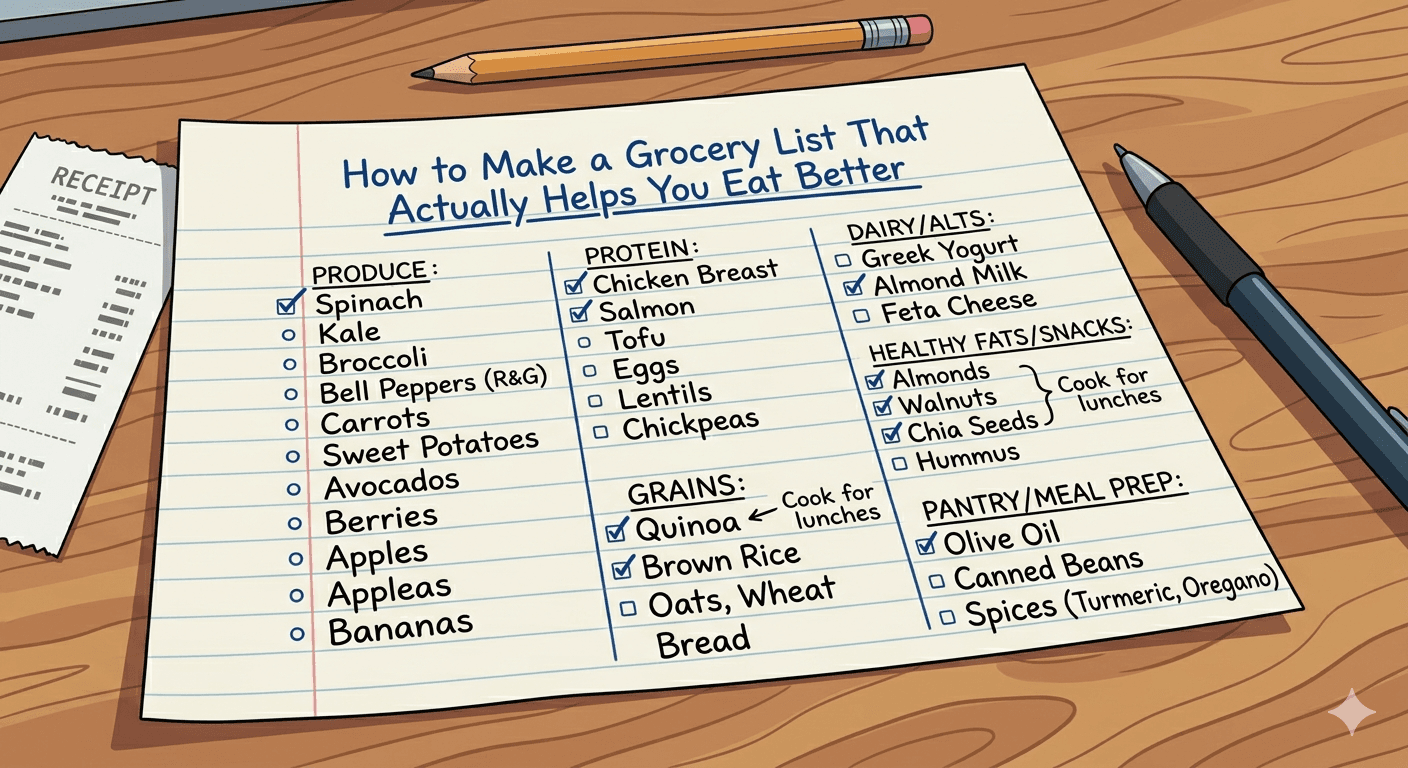
How to Make a Grocery List That Actually Helps You Eat Better
A good grocery list is not about perfection. It is about reducing decision fatigue before you get to the store and making everyday food choices feel easier.
Read article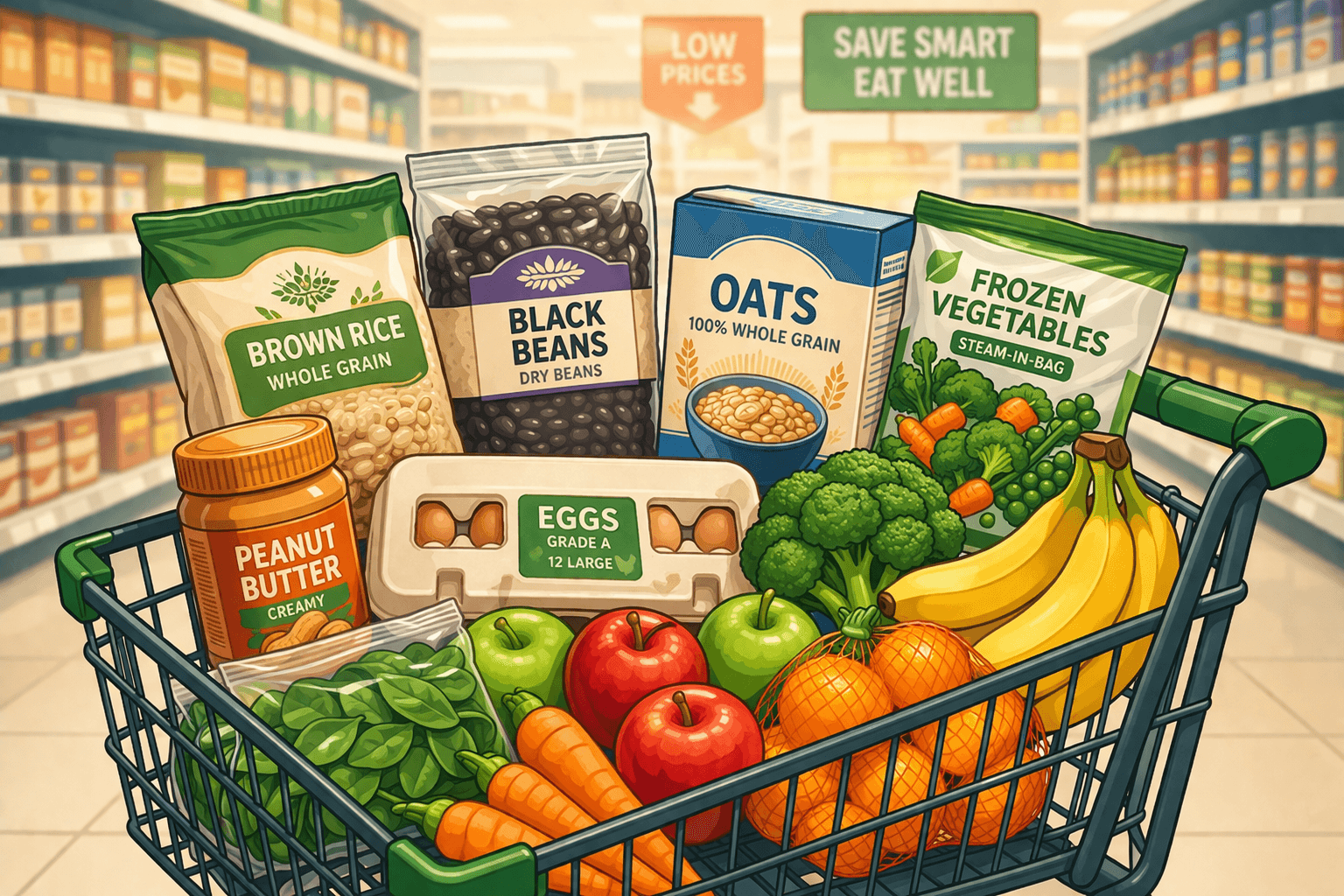
Budget-Friendly Healthy Eating: How to Save Money While Buying Nutritious Food
Eating a little better does not have to mean spending more. A few practical habits can help you shop more intentionally, waste less food, and keep nutritious meals within budget.
Read article