Budget-Friendly Healthy Eating: How to Save Money While Buying Nutritious Food
Eating a little better does not have to mean spending more. A few practical habits can help you shop more intentionally, waste less food, and keep nutritious meals within budget.

Grocery Savvy Team
The Grocery Savvy team shares practical grocery shopping tips and insights to help everyday food decisions feel clearer and easier.
Published March 30, 2026 • 4 min read
Eating a little better does not have to mean spending more.
A lot of people assume healthy grocery shopping automatically costs more, but in real life, the biggest difference usually comes from how you plan, how you shop, and how well you use what you buy.
With a few simple habits, it becomes much easier to keep meals more balanced without blowing your grocery budget.
1. Plan a Few Meals Before You Shop
One of the easiest ways to spend less on groceries is to decide on a few meals before you get to the store.
That does not mean you need a perfect weekly system. Even a rough plan helps you:
- avoid random purchases
- buy ingredients that actually work together
- waste less food during the week
It also makes the shopping trip itself feel a lot less chaotic.
If you want a stronger system for this part, How to Make a Grocery List That Actually Helps You Eat Better is a useful next read.
2. Build Around Affordable Staples
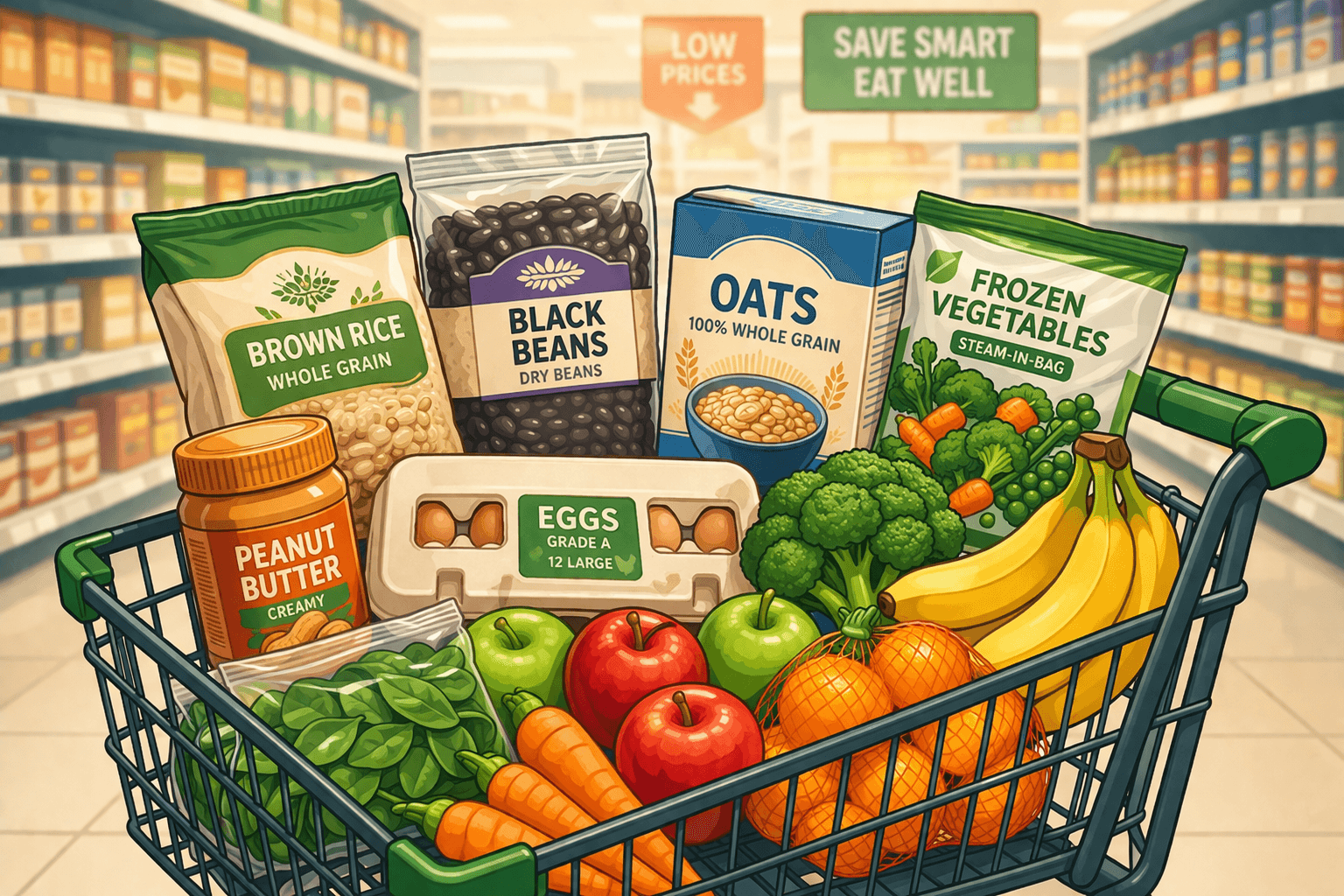
Some of the most useful budget foods are also some of the most flexible.
Good examples include:
- rice
- oats
- pasta
- beans and lentils
- eggs
- frozen vegetables
These foods are not complicated, but they stretch well across multiple meals and help you avoid relying on more expensive convenience options.
3. Buy in Bulk When It Actually Helps
Bulk buying can save money, but only when it matches the way you really shop.
It usually makes the most sense for foods that:
- last a while
- cost less per serving
- are easy to store
Dry goods, frozen foods, and pantry basics tend to be safer bulk buys than fresh foods that spoil quickly.
4. Shop Seasonal When You Can
Produce gets much easier to afford when you buy it in season.
That is often when fruits and vegetables are:
- cheaper
- fresher
- easier to use across multiple meals
And when fresh options are not practical, plain frozen produce can still be a strong budget-friendly choice.
If you want to go deeper on that part, Seasonal Produce: Why It Matters and How to Use It pairs well with this topic.
5. Choose Budget-Friendly Protein Sources
Protein does not have to be expensive to be useful.
Some of the most practical lower-cost options include:
- eggs
- beans
- lentils
- canned fish
- tofu
- chicken thighs
The key is to focus less on expensive “health” products and more on foods you can actually work into regular meals.
6. Compare Prices More Carefully
One of the easiest ways to save money is to compare products a little more deliberately.
That might mean checking:
- store brands versus name brands
- unit price instead of package price
- whole produce instead of pre-cut produce
You do not need to compare everything. But for foods you buy often, a few extra seconds can save real money over time.
7. Cook at Home More Often
Eating out is easy, but it usually costs more than people realize.
Simple home-cooked meals tend to stretch your budget further while giving you more control over ingredients and portions.
That can be as simple as:
- overnight oats
- pasta with a basic sauce
- stir-fries
- soups
- grain bowls
The goal is not to make elaborate meals. It is to have a few dependable ones.
8. Waste Less Food
Food waste is one of the quietest budget problems in grocery shopping.
A few habits help a lot:
- use up perishables earlier in the week
- freeze extra portions
- repurpose leftovers into another meal
- check what you already have before shopping again
That is one reason Grocery Savvy focuses on everyday grocery clarity. The app helps you keep a grocery list, review foods more easily, and make more intentional choices while you shop, instead of trying to hold everything in your head.
If you want the fuller product overview, start with What is Grocery Savvy?.
Final Takeaway
Healthy eating on a budget usually does not come from one perfect trick.
It comes from a handful of repeatable habits:
- planning a few meals
- building around affordable staples
- comparing prices more carefully
- cooking simple meals
- wasting less food
Those habits do not need to be perfect to help. They just need to make your next grocery trip a little more intentional than the last one.
Keep Reading
Related Articles
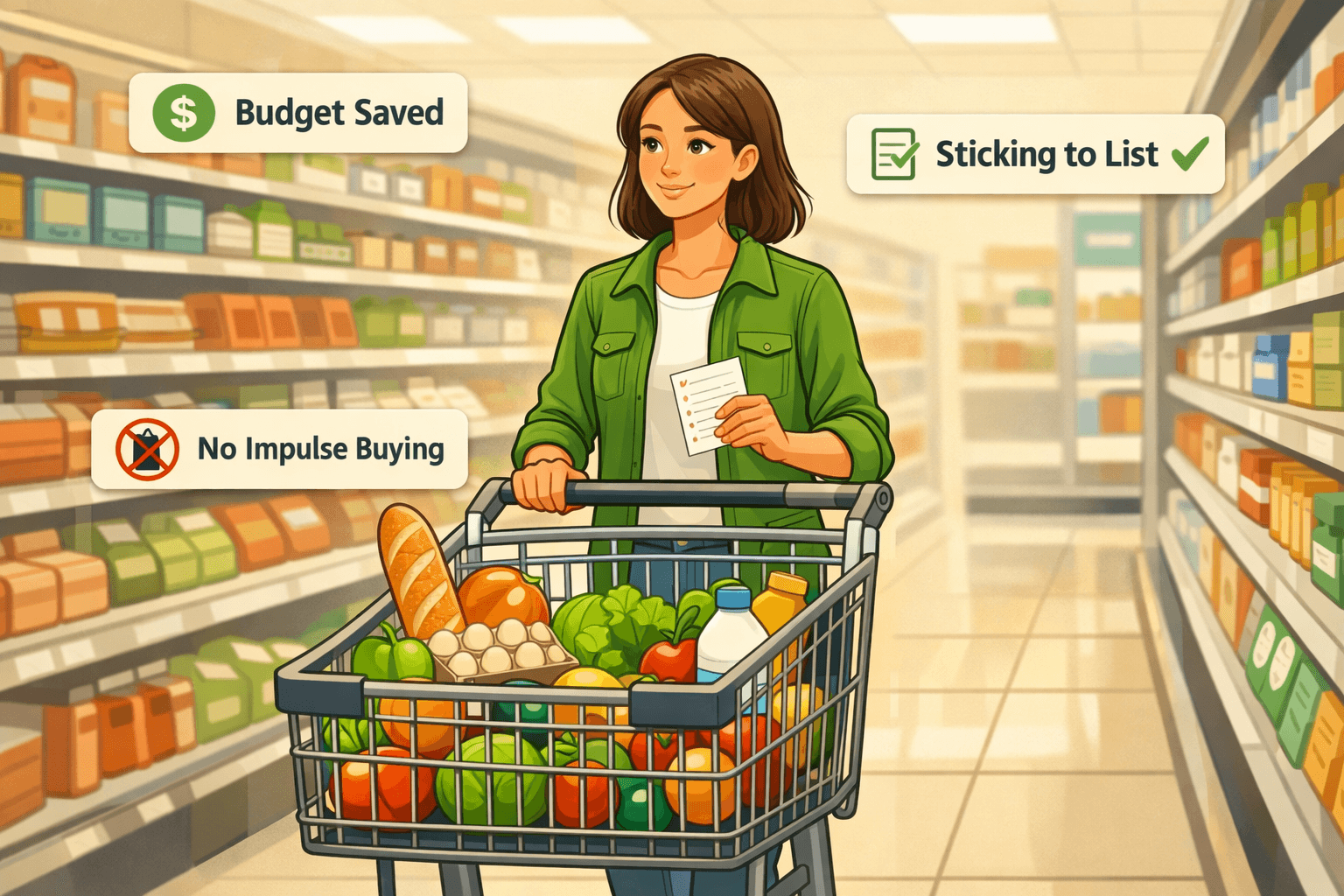
The Best Grocery Shopping Tips for Saving Money
Saving money at the grocery store usually comes down to a few repeatable habits. These tips focus on the decisions that cut waste, curb impulse spending, and make your list work harder.
Read article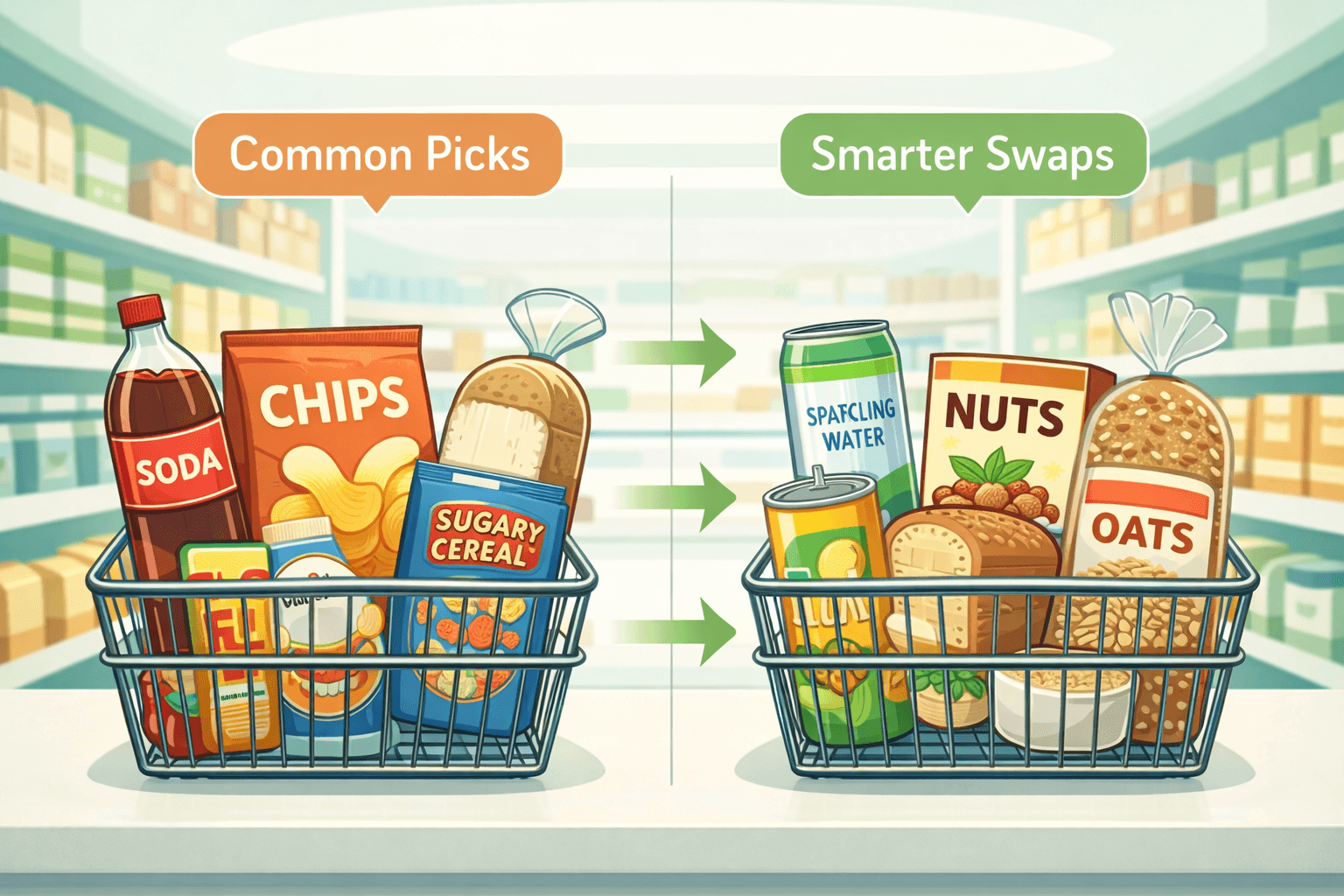
Healthy Eating Made Simple: 10 Easy Swaps for a Healthier Grocery List
Healthier grocery shopping does not have to start with a full reset. These simple swaps can make everyday meals feel more balanced without adding a lot of friction.
Read article