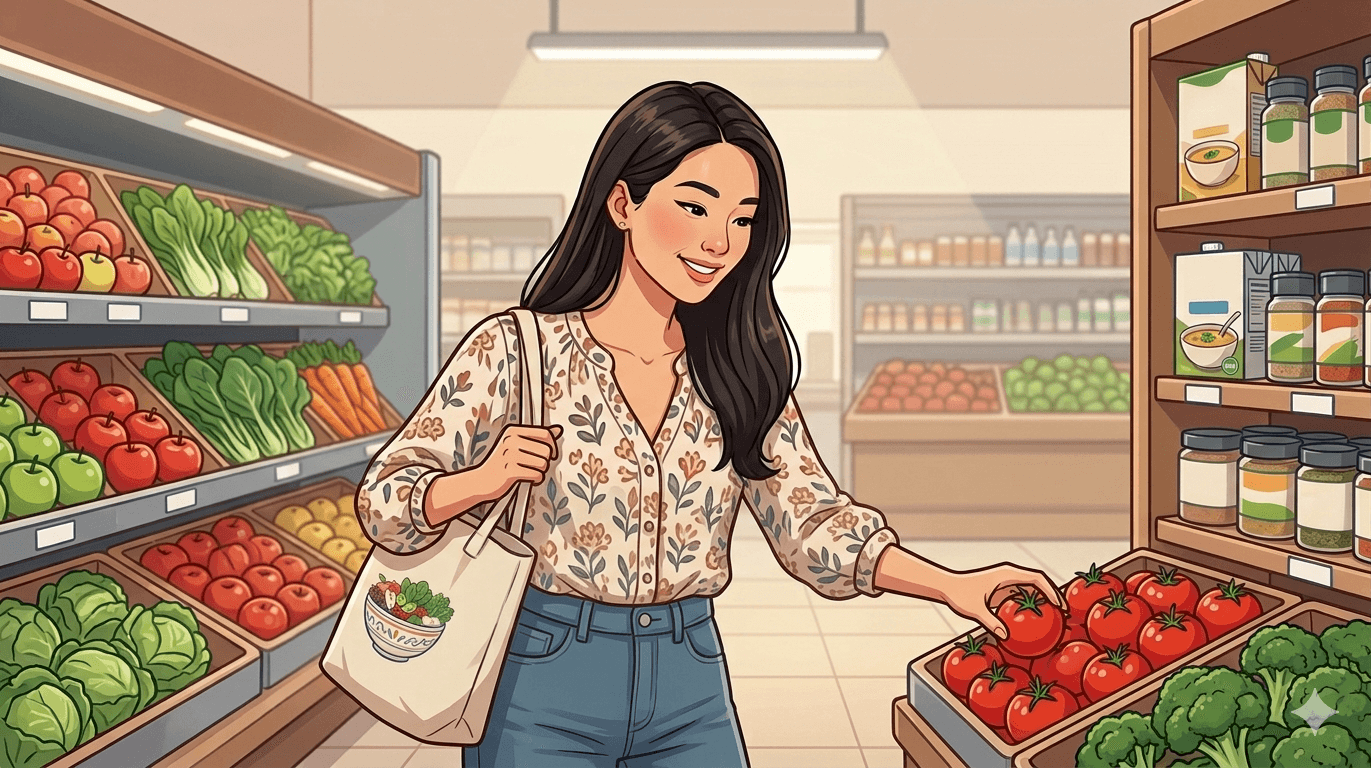
Low-Sodium Shopping, Made Simple: How to Find Better Options Without Overthinking It
Lower-sodium shopping gets easier when you know where sodium tends to hide, what labels actually mean, and when a quick comparison is enough.
Grocery Savvy Team
The Grocery Savvy team shares practical grocery shopping tips and insights to help everyday food decisions feel clearer and easier.
Published December 19, 2025 • 3 min read
If you are trying to lower your sodium intake, there is usually a reason. Maybe you want to feel better day to day. Maybe you are paying closer attention to labels. Maybe you have just realized how quickly sodium can add up in everyday foods.
Whatever brought you here, you are not alone.
Low-sodium shopping sounds simple until you are actually in the store. Labels can be confusing, "healthy" can mean almost anything, and a quick grocery run suddenly feels more complicated than it should.
The good news is that you do not need to overhaul everything. Lower-sodium shopping is usually about a little more awareness, a few better comparisons, and a system that helps you stay clearheaded.
What "Low Sodium" Actually Means
You do not need to memorize every number on a label, but one reference point helps:
In general, foods labeled "low sodium" contain 140 mg of sodium or less per serving.
It also helps to know that "reduced sodium" only means a product has less sodium than the regular version. It does not automatically mean it is low overall.
And packaging words like:
- natural
- organic
- healthy
do not tell you much about sodium on their own.
Where Sodium Tends To Hide
Some parts of the store make low-sodium shopping easier. Others need more attention.
Easier Areas
Fresh produce, plain meats, fish, eggs, and simple grains are often easier to work with because you control how they are seasoned later.
Sneakier Areas
Sodium tends to build up quickly in:
- packaged snacks
- frozen meals
- bread
- sauces
- dressings
- canned soups
You do not need to avoid these sections. You just need to slow down when comparing options there.
A More Realistic Way To Shop Lower Sodium
One of the best mindset shifts is this:
You do not need to read every label. You usually just need to compare when choosing between similar products.
If you are deciding between two sauces, two snack brands, or two loaves of bread, a quick sodium check can be enough to make the better choice.
Those small comparisons add up without turning shopping into homework.
If you want the deeper version of the topic, What Is a Low Sodium Diet and Who Needs One? breaks down the bigger picture.
Flavor Does Not Have To Disappear
One of the biggest concerns about lower-sodium eating is losing flavor. That is understandable.
But salt is not the only thing that makes food taste good.
Ingredients like:
- garlic
- herbs
- citrus
- vinegar
- spices
can add a lot of flavor without leaning as hard on sodium.
This is not about perfection. Convenience foods may still fit into your week. The goal is simply making a few better choices more often.
How Grocery Savvy Can Help
Low-sodium shopping can feel manageable one week and frustrating the next, especially when you are tired or rushing.
Grocery Savvy is meant to make that process easier by helping you:
- check product details faster
- compare foods more clearly
- spot sodium concerns alongside other tags and insights
It is not about forcing perfect shopping behavior. It is about making the next decision simpler while you are already in the aisle.
Final Takeaway
Lowering sodium does not have to mean cutting everything out or stressing over every label.
It usually comes down to:
- knowing where sodium hides
- comparing similar foods when it matters
- making small improvements you can actually keep
That is enough to make low-sodium shopping feel much more manageable over time.
Keep Reading
Related Articles
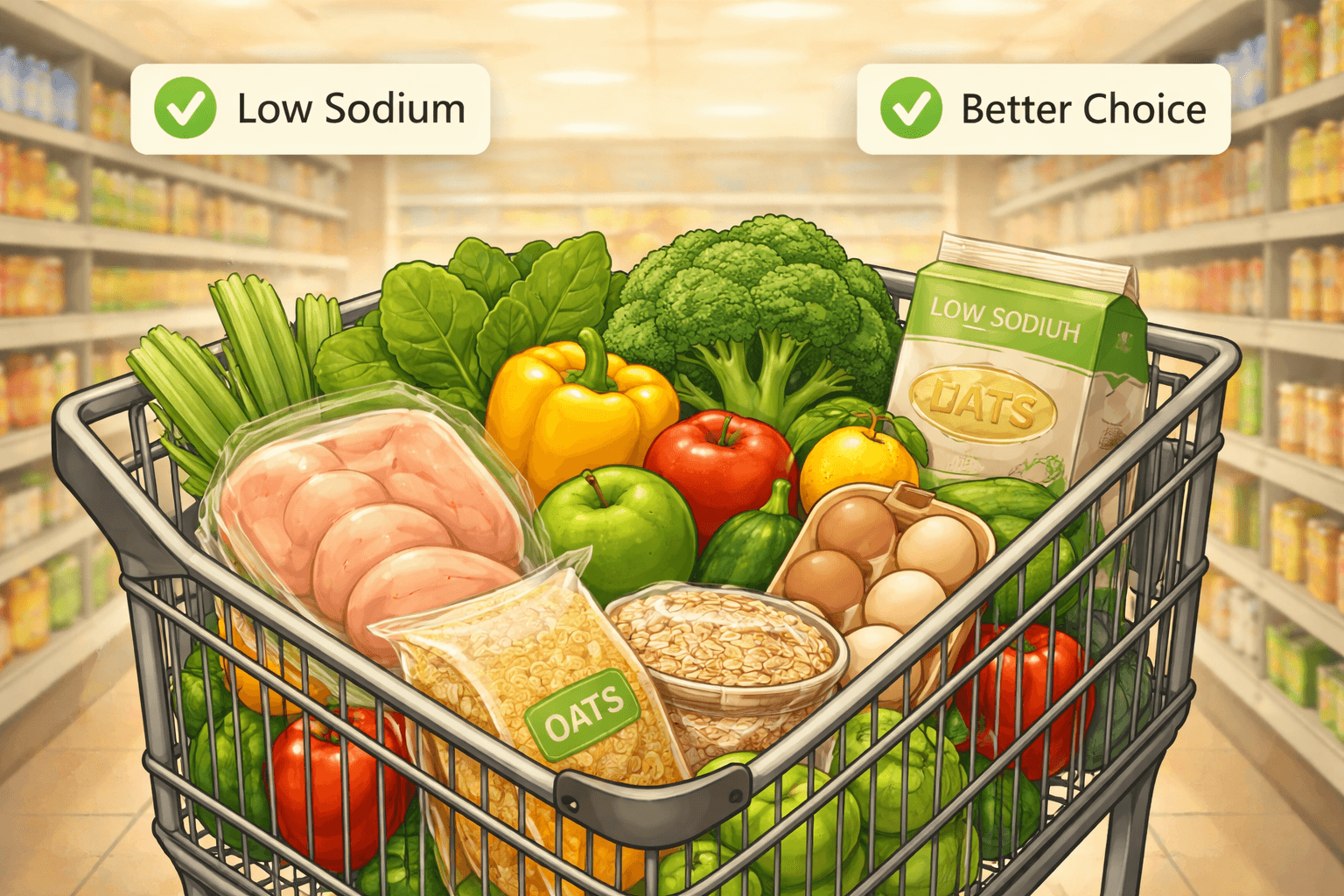
The Best Low-Sodium Foods for Your Grocery List
If you are trying to build a lower-sodium grocery list, some foods make the process much easier than others. This guide covers practical categories to start with.
Read article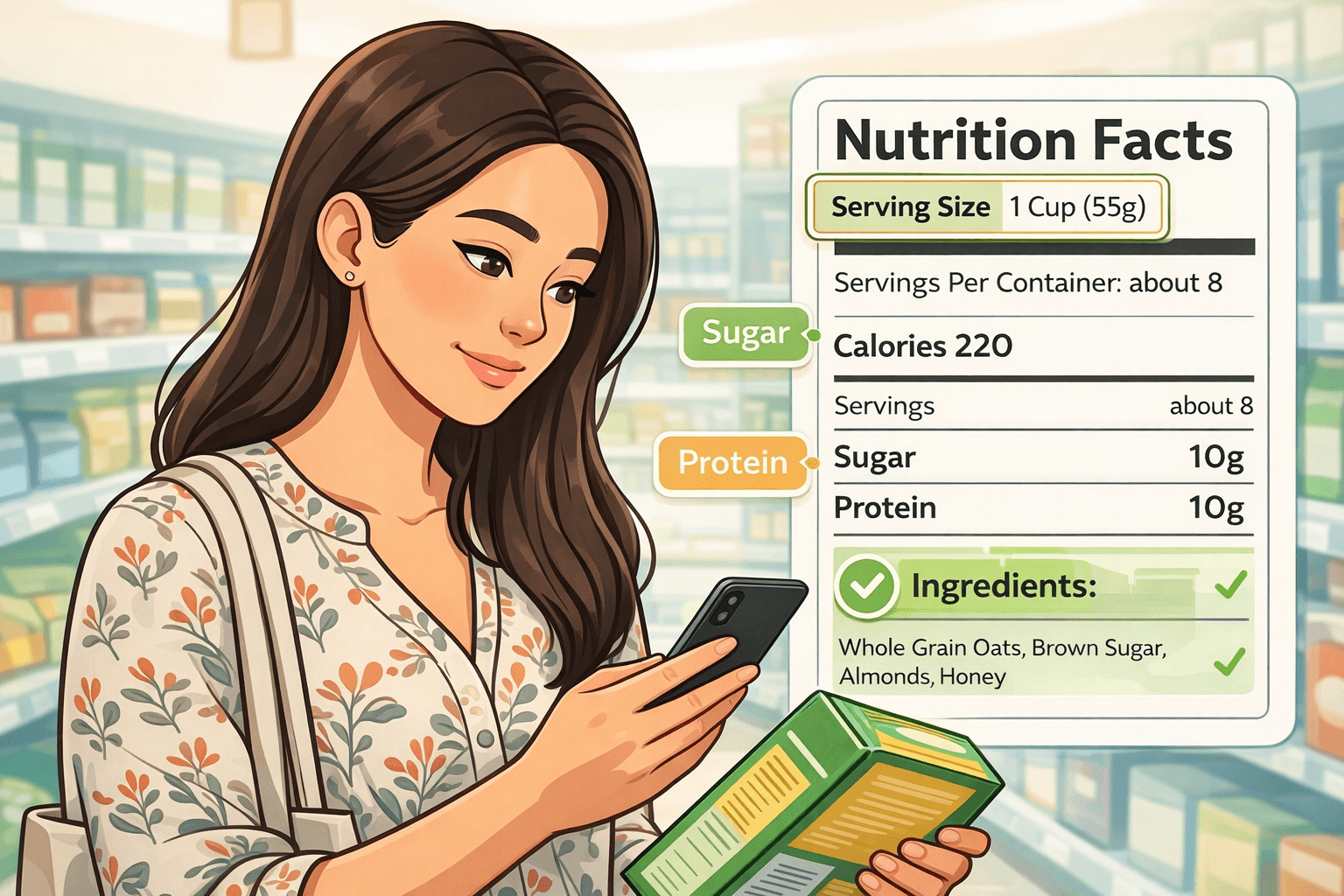
How to Read Nutrition Labels Like a Pro (Even If You Are a Beginner)
Nutrition labels can feel like a wall of numbers when you are new to them. This guide breaks down the parts that matter most so grocery decisions feel more practical.
Read article