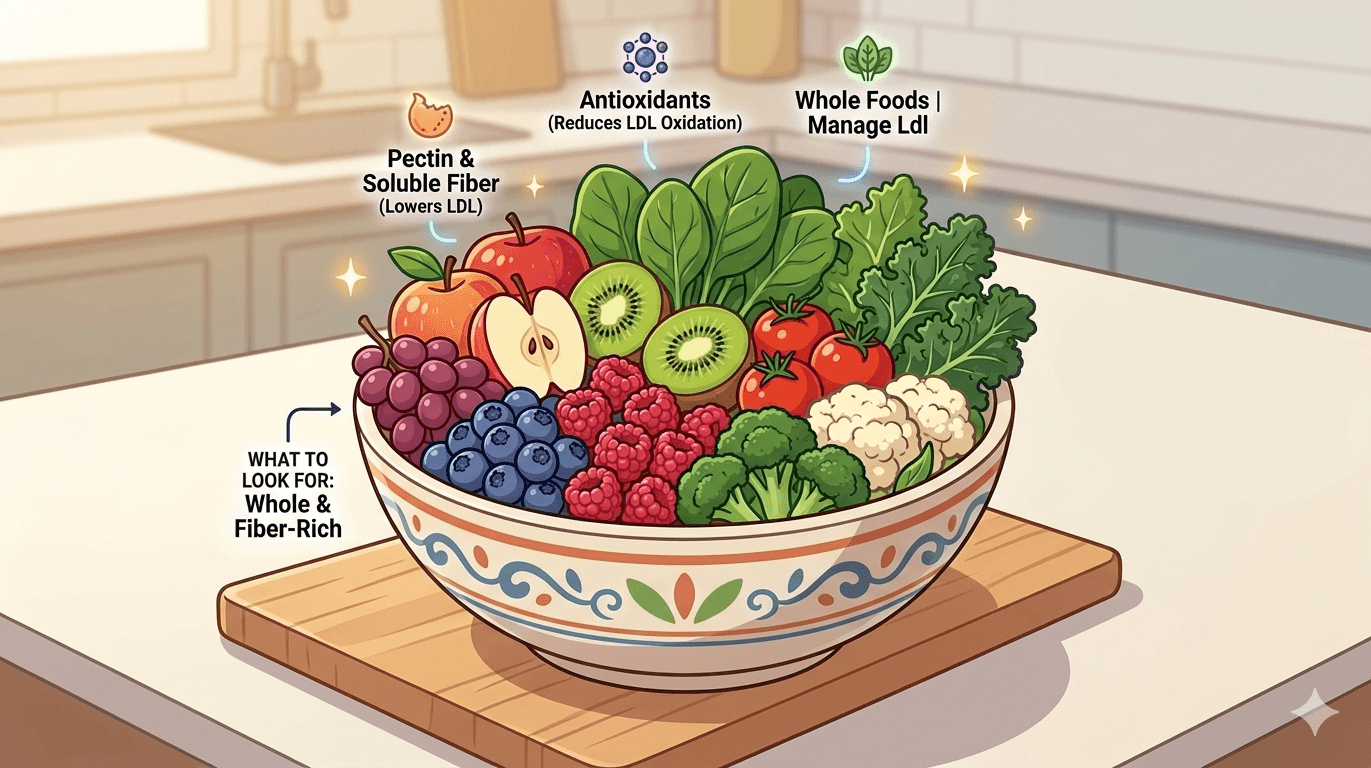
Low-Cholesterol Foods, Explained: What to Look For at the Grocery Store
Cholesterol on a food label can be hard to interpret in the aisle. This guide explains where cholesterol tends to show up, what low-cholesterol means, and how to shop with more clarity.
Grocery Savvy Team
The Grocery Savvy team shares practical grocery shopping tips and insights to help everyday food decisions feel clearer and easier.
Published December 19, 2025 • 5 min read
If you have ever looked at the word cholesterol on a nutrition label and wondered what you are actually supposed to do with that information, you are not alone.
A lot of people want to be more mindful about cholesterol, not because they are trying to follow a perfect plan, but because they want to make clearer everyday choices. The problem is that most advice jumps straight into medical territory or turns the conversation into a list of foods to fear.
That is not very helpful when you are just trying to get through a grocery trip.
This guide is meant to slow things down. We will look at what low cholesterol means on a label, where cholesterol tends to show up in the store, and how to compare foods without turning grocery shopping into a research project.
Why Cholesterol Feels So Confusing
Part of the confusion is that cholesterol gets talked about in a lot of different places:
- doctor visits
- nutrition headlines
- product packaging
- social media advice
But it is rarely explained in a simple grocery-shopping context.
The goal here is not to tell you exactly what to eat. It is to help you understand what you are seeing so you can make decisions that fit your own goals.
A Plain-English Way To Think About Cholesterol
For grocery shopping purposes, the most useful thing to know is this:
Plant foods generally contain little to no cholesterol, while many foods from animal sources contain some amount.
That helps explain why cholesterol tends to show up more often on labels for:
- meat
- dairy
- eggs
- some packaged foods made with animal-based ingredients
You do not need to memorize biology to use this information well. Just understanding the pattern already makes labels easier to read.
What "Low Cholesterol" Means on Food Labels
On packaged foods, "low cholesterol" has a specific meaning. In general, it refers to foods with 20 mg of cholesterol or less per serving.
That can be a helpful point of reference, but it is still only one piece of the picture.
It also helps to remember:
- some foods are low in cholesterol without advertising it
- some foods can be low in cholesterol and still not be a great fit overall
- serving size still matters when you compare products
If you want a better foundation for reading that part of the label, our guides on reading ingredient labels and serving size vs 100g make the comparison side much easier.
Foods That Are Often Naturally Low in Cholesterol
A lot of lower-cholesterol grocery choices are not complicated at all. They often come from broader categories like:
Fruits and Vegetables
Fresh fruits and vegetables are one of the easiest places to start. Fresh, frozen, and plain versions tend to fit well here.
Whole Grains
Foods like oats, brown rice, quinoa, and whole wheat products are often practical options when you are building meals with a little more balance.
Beans, Lentils, and Legumes
These tend to be useful because they are flexible, affordable, and easy to work into multiple meals during the week.
Nuts, Seeds, and Plant Oils
Foods like almonds, walnuts, flaxseeds, olive oil, and avocado oil are another reason cholesterol can vary so much depending on what a product is made from.
None of this means you need to eat only these foods. It just explains why some parts of the store naturally line up better with lower-cholesterol shopping.
Foods That Often Contain Cholesterol
Cholesterol tends to appear more often in foods from animal sources, such as:
- meat and poultry
- fish and seafood
- eggs
- dairy products
This is not about labeling those foods as good or bad. It is simply context.
Once you understand patterns, labels start making more sense and you spend less time trying to memorize random rules.
How To Shop Smarter Without Obsessing
You do not need to check cholesterol on every item in your cart.
A more realistic approach is to:
- compare similar products when you actually have a choice
- notice patterns across the foods you buy often
- build a grocery list around the way you want to eat most of the time
That is one reason planning matters more than people expect. A thoughtful list reduces the number of last-minute decisions you have to make in the aisle.
If that part tends to fall apart for you, How to Make a Grocery List That Actually Helps You Eat Better is a useful next read.
Where Grocery Savvy Fits In
Understanding cholesterol labels is helpful. Remembering all of it while you are moving through the store is harder.
Grocery Savvy is built to make those decisions feel clearer by helping you:
- review product details faster
- check ingredients and dietary tags in one place
- build grocery lists with more intention
It is not a medical authority, and it is not meant to replace packaging or professional guidance. It is a practical tool to help everyday food decisions feel easier.
Final Takeaway
Being more aware of cholesterol does not mean you need to overhaul your entire diet or treat every grocery trip like a test.
It usually just means understanding your food a little better than you did before.
That kind of awareness builds slowly, one label and one decision at a time. And that is often enough to make grocery shopping feel much clearer.
Keep Reading
Related Articles
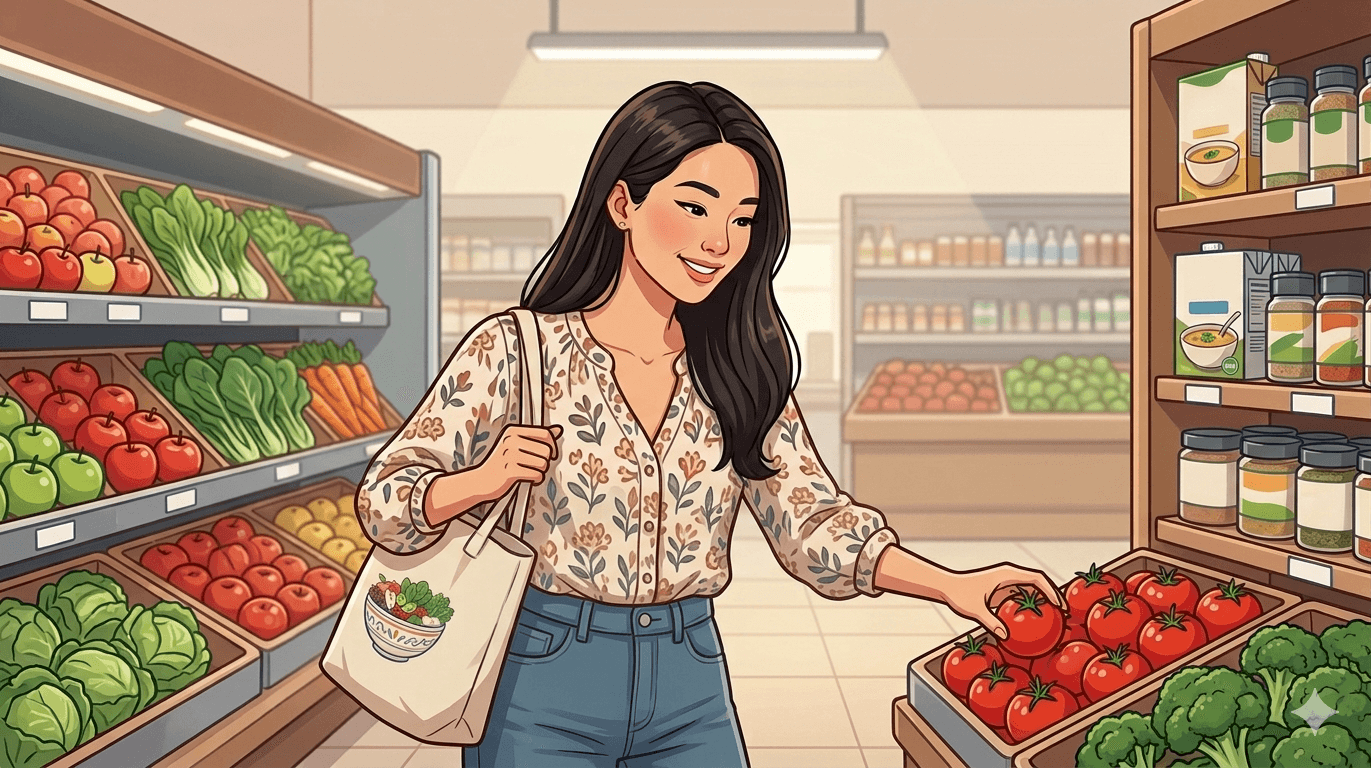
Low-Sodium Shopping, Made Simple: How to Find Better Options Without Overthinking It
Lower-sodium shopping gets easier when you know where sodium tends to hide, what labels actually mean, and when a quick comparison is enough.
Read article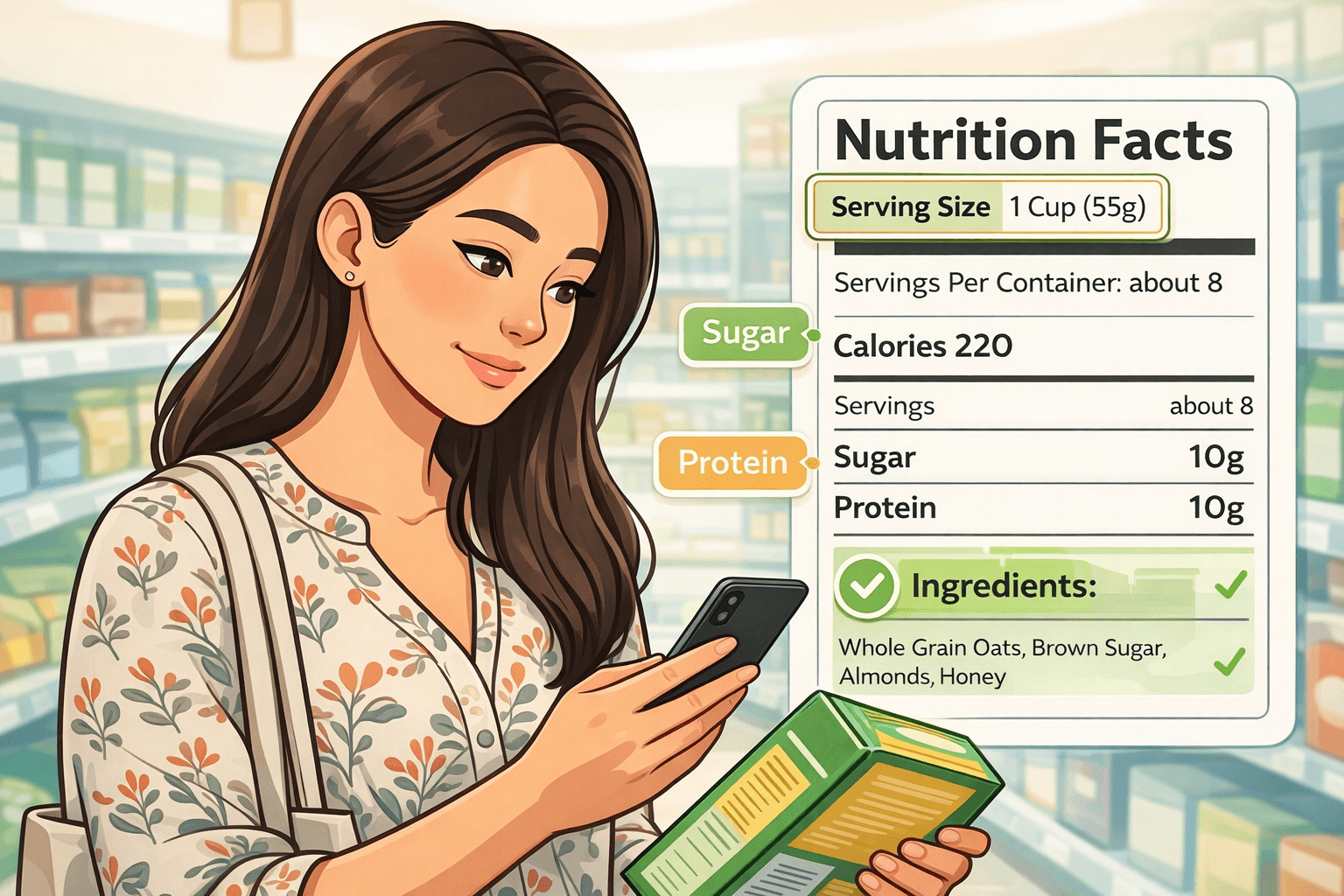
How to Read Nutrition Labels Like a Pro (Even If You Are a Beginner)
Nutrition labels can feel like a wall of numbers when you are new to them. This guide breaks down the parts that matter most so grocery decisions feel more practical.
Read article