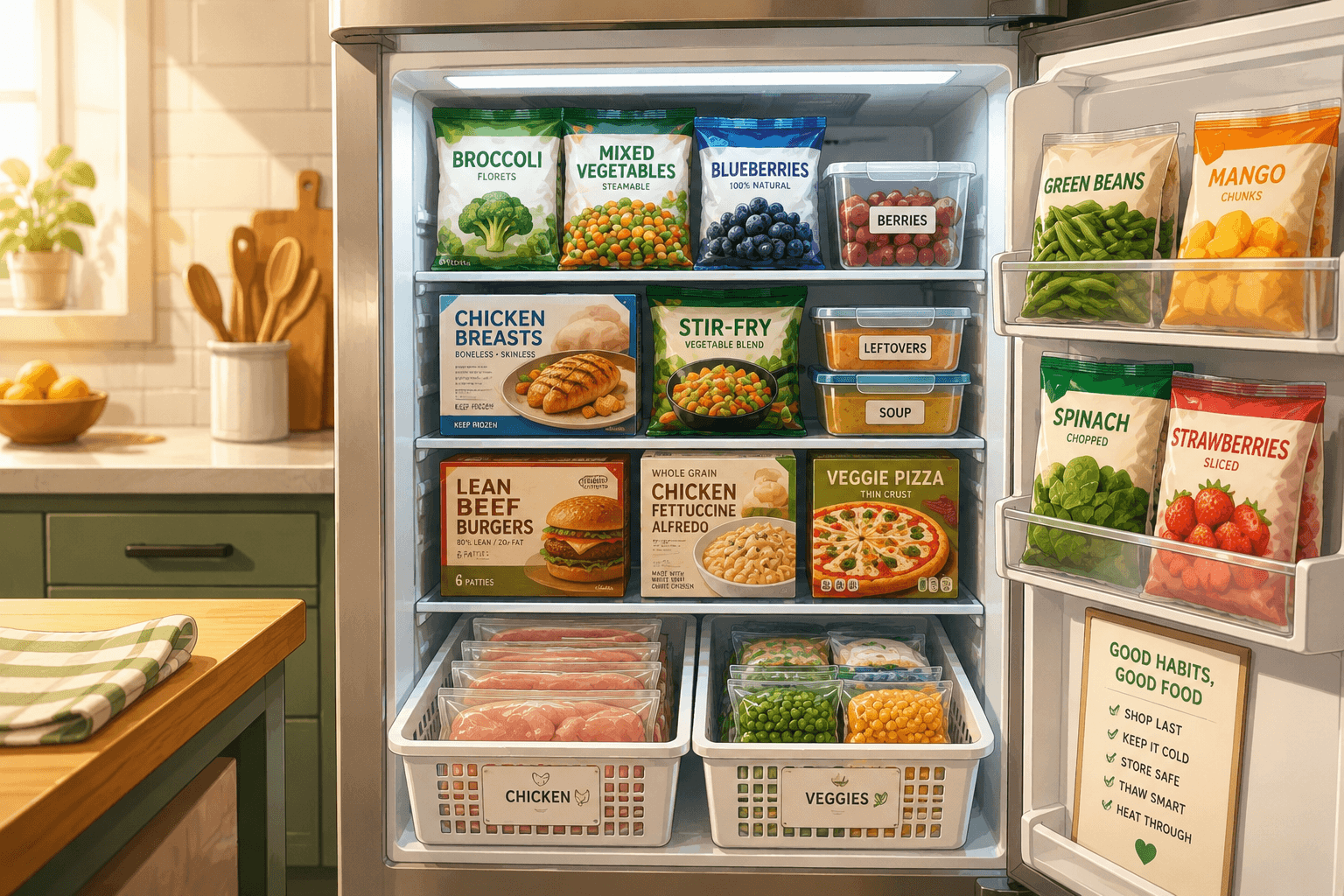
Frozen Food Safety Basics: How to Shop, Store, and Heat Freezer Foods
Frozen foods can make grocery shopping easier, but they still need simple safety habits. Here is how to shop, store, thaw, and heat freezer foods with more confidence.
Grocery Savvy Team
The Grocery Savvy team shares practical grocery shopping tips and insights to help everyday food decisions feel clearer and easier.
Published June 13, 2026 • 8 min read
Frozen foods can be one of the most useful parts of the grocery store.
They can help you keep vegetables on hand, reduce food waste, make quick meals possible, and stretch a grocery trip further than fresh-only shopping sometimes allows.
But frozen food also gets talked about in a confusing way. Sometimes people treat it like one big nutrition category. Other times, they focus only on whether a frozen meal is processed.
There is another practical piece worth understanding: food safety.
You do not need to be nervous about the freezer aisle. You just need a few simple habits for shopping, storing, thawing, and heating frozen foods so they stay useful once you get them home.
Frozen Does Not Mean Risk-Free
Freezing helps preserve food, but it does not magically erase every food safety concern.
The better way to think about it is this:
Freezing slows things down. It does not replace safe handling.
That matters because frozen foods still move through a real-life path:
- from the freezer case
- into your cart
- into your car
- into your home freezer
- into a pan, microwave, oven, or refrigerator
Most of the time, the safety habits are simple. Keep frozen foods cold, avoid cross-contamination, thaw them safely when needed, and heat foods properly when the package or food type calls for it.
Start in the Store
The freezer aisle is usually best saved for later in your trip.
That does not mean you need to sprint through the store. It just means frozen foods should spend less time warming up in the cart.
A simple shopping flow helps:
- choose shelf-stable foods first
- grab refrigerated foods closer to the end
- pick up frozen foods last
- head home soon after checkout when possible
When you pick up frozen food, check the package quickly. Look for torn packaging, opened seals, heavy frost, or signs that the food may have thawed and refrozen.
You do not need to inspect everything like a detective. Just use the package as a quick signal.
Keep Raw Foods Separate
Frozen foods can include very different products:
- frozen fruit
- frozen vegetables
- frozen meals
- raw frozen chicken
- frozen seafood
- frozen burgers
Those should not all be treated the same.
Raw meat, poultry, seafood, and similar foods should stay separate from ready-to-eat foods in your cart, bags, refrigerator, and freezer. This is the same basic "separate" habit that applies to fresh groceries.
If a package of raw frozen chicken leaks onto a bag of frozen berries, that is a problem even though both items are frozen.
The easy version:
- bag raw frozen meat, poultry, and seafood separately
- keep them away from produce and ready-to-eat foods
- store them where leaks will not drip onto other items
Food safety does not have to be dramatic. It often comes down to boring little systems that work.
Get Frozen Foods Home Cold
Once you leave the store, the goal is simple: keep cold foods cold.
If you have a long drive, multiple errands, or very hot weather, an insulated bag can help. If the store is close and you are heading straight home, you may not need anything special.
When you get home, put frozen foods away before shelf-stable pantry items.
This is a small habit, but it helps protect quality and safety at the same time. It also reduces the chance that a frozen item gets forgotten on the counter while you unload everything else.
Know the Difference Between Frozen Ingredients and Frozen Meals
Food safety and label reading both get easier when you separate frozen ingredients from frozen meals.
Plain frozen foods are usually ingredients:
- frozen vegetables
- frozen fruit
- plain frozen fish
- plain frozen chicken
- frozen grains
Frozen meals are already assembled:
- frozen pizza
- microwave dinners
- frozen pasta dishes
- breakfast sandwiches
- prepared bowls
That difference affects how you use the product.
Plain frozen ingredients often become part of a meal you cook. Frozen meals usually come with specific package instructions, and those instructions matter more because the product is already portioned, layered, sauced, or assembled.
If you want the deeper shopping distinction, Plain Frozen Foods vs Frozen Meals explains why these categories should not be treated as the same thing.
Thaw Safely When Thawing Is Needed
Some frozen foods can be cooked from frozen. Others need to be thawed first.
When thawing is needed, the safest default is the refrigerator. It takes longer, but it keeps food cold while it thaws.
Other safe methods can include cold water or the microwave, depending on the food and how soon you plan to cook it.
What you do not want is a raw frozen food sitting on the counter for hours.
That is especially important for raw meat, poultry, seafood, and foods that need careful temperature control. The outside can warm up while the inside is still frozen, which is exactly the kind of situation safe thawing is meant to avoid.
Heat Frozen Meals All the Way Through
Frozen meal instructions are not just a suggestion for texture. They can also be part of safe heating.
This matters most for foods that include meat, poultry, seafood, eggs, sauces, casseroles, or mixed ingredients.
A few habits help:
- follow the package instructions
- stir or rotate when the instructions say to
- allow standing time when listed
- check that the food is hot all the way through
- use a food thermometer when safety depends on internal temperature
Microwaves can heat unevenly. That is why instructions often include stirring, rotating, and waiting before eating.
If you are reheating leftovers or casseroles, the common food safety target is 165 degrees F. For raw meats, poultry, seafood, and egg dishes, safe internal temperatures vary by food type, so a thermometer is the most reliable tool.
Do Not Use Looks Alone
Color and texture can be misleading.
That is true for fresh foods, and it is also true for frozen foods that are cooked or reheated.
A frozen meal may look done on the edges while the center is still cooler. A piece of chicken may look browned before it has reached the right internal temperature. A microwave meal may feel hot in one spot and lukewarm in another.
This does not mean you need to turn every dinner into a science project.
It just means appearance is not the final safety check when temperature matters.
Watch the Label for Practical Clues
Frozen food labels can tell you more than just calories.
When you are deciding whether a product fits your routine, check:
- whether it cooks from frozen or needs thawing
- whether it requires an oven, stovetop, air fryer, or microwave
- whether there are stirring or standing instructions
- how many servings are in the package
- whether the product contains raw or fully cooked ingredients
- sodium, saturated fat, protein, fiber, and other nutrition details that matter to you
This is where the freezer aisle overlaps with label reading. A frozen meal can be convenient and still be worth comparing against nearby options.
If nutrition labels feel like a wall of numbers, How to Read Nutrition Labels Like a Pro is a useful next step.
Use Your Freezer To Reduce Waste
Food safety and food waste are connected.
When frozen foods are stored well, they can help you keep flexible ingredients on hand and avoid throwing away fresh food you did not use in time.
A few freezer habits help:
- keep older items toward the front
- label leftovers before freezing
- avoid mystery containers when possible
- keep the freezer organized enough that food does not disappear
- plan a few meals around what is already frozen
This is not about having a perfect freezer. It is about making the freezer easier to use.
If food waste is a recurring problem after grocery trips, Why Healthy Grocery Hauls Still Lead to Food Waste goes deeper into that pattern.
Where Grocery Savvy Fits In
The freezer aisle asks you to make several decisions at once:
- Is this an ingredient or a meal?
- Does it fit my schedule?
- Do I need to thaw it?
- How should it be heated?
- Does the label match my goals?
Grocery Savvy is built to make those decisions feel clearer by helping you review product details, ingredients, dietary tags, and grocery lists in one place.
It does not replace the package label or official food safety guidance. It helps make the information easier to use when you are actually shopping.
Final Takeaway
Frozen foods can be practical, affordable, and genuinely helpful.
The goal is not to avoid them. The goal is to handle them well.
Shop frozen foods near the end of your trip, keep raw items separate, put them away promptly, thaw safely when needed, and heat foods all the way through.
Those small habits make the freezer aisle easier to use and a lot less confusing.
Keep Reading
Related Articles
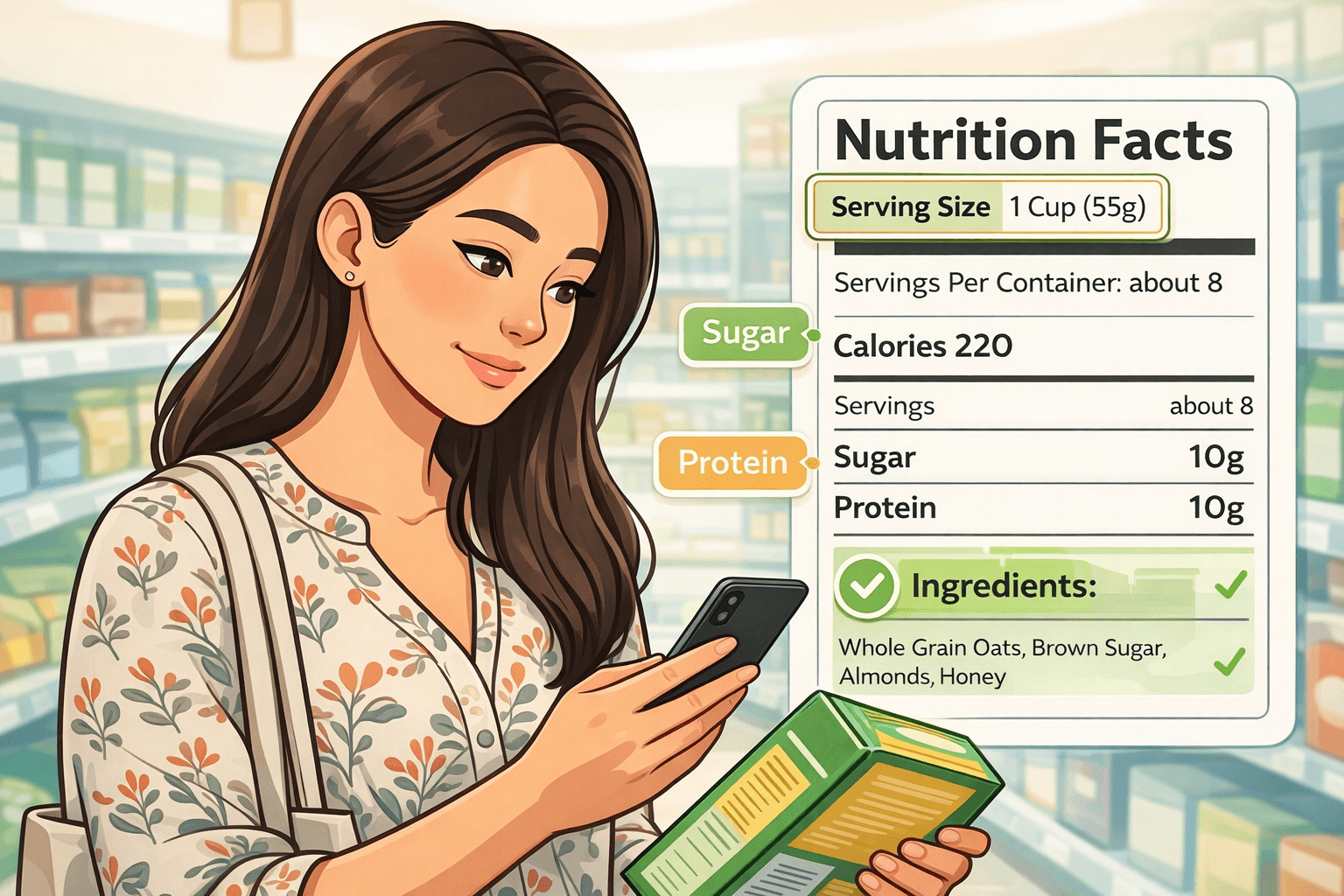
How to Read Nutrition Labels Like a Pro (Even If You Are a Beginner)
Nutrition labels can feel like a wall of numbers when you are new to them. This guide breaks down the parts that matter most so grocery decisions feel more practical.
Read article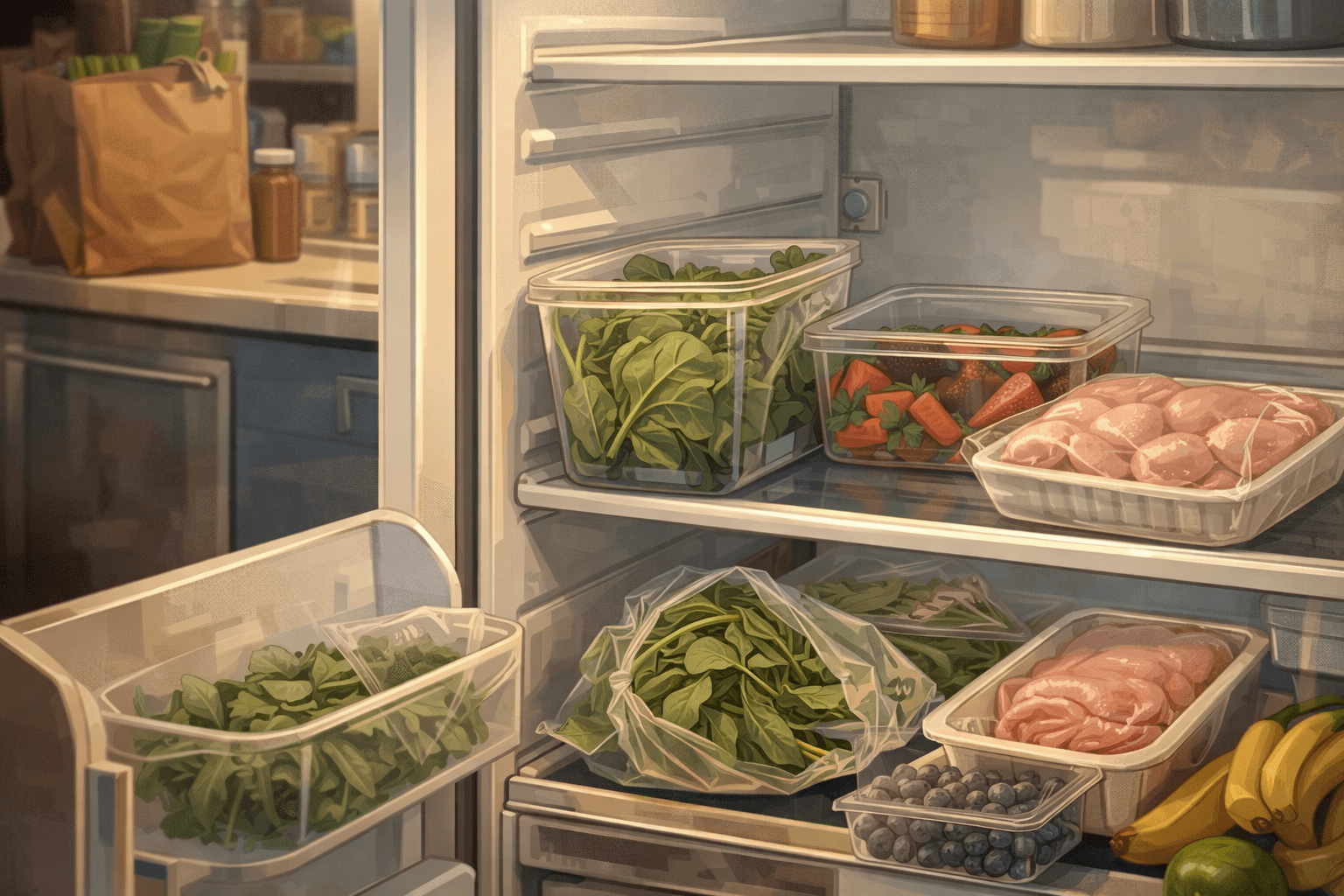
Why “Healthy” Grocery Hauls Still Lead to Food Waste
A cart full of good intentions does not always turn into meals you actually eat. Food waste usually happens when shelf life, meal plans, and shopping habits stop lining up with real life.
Read article